

Carb Cycling
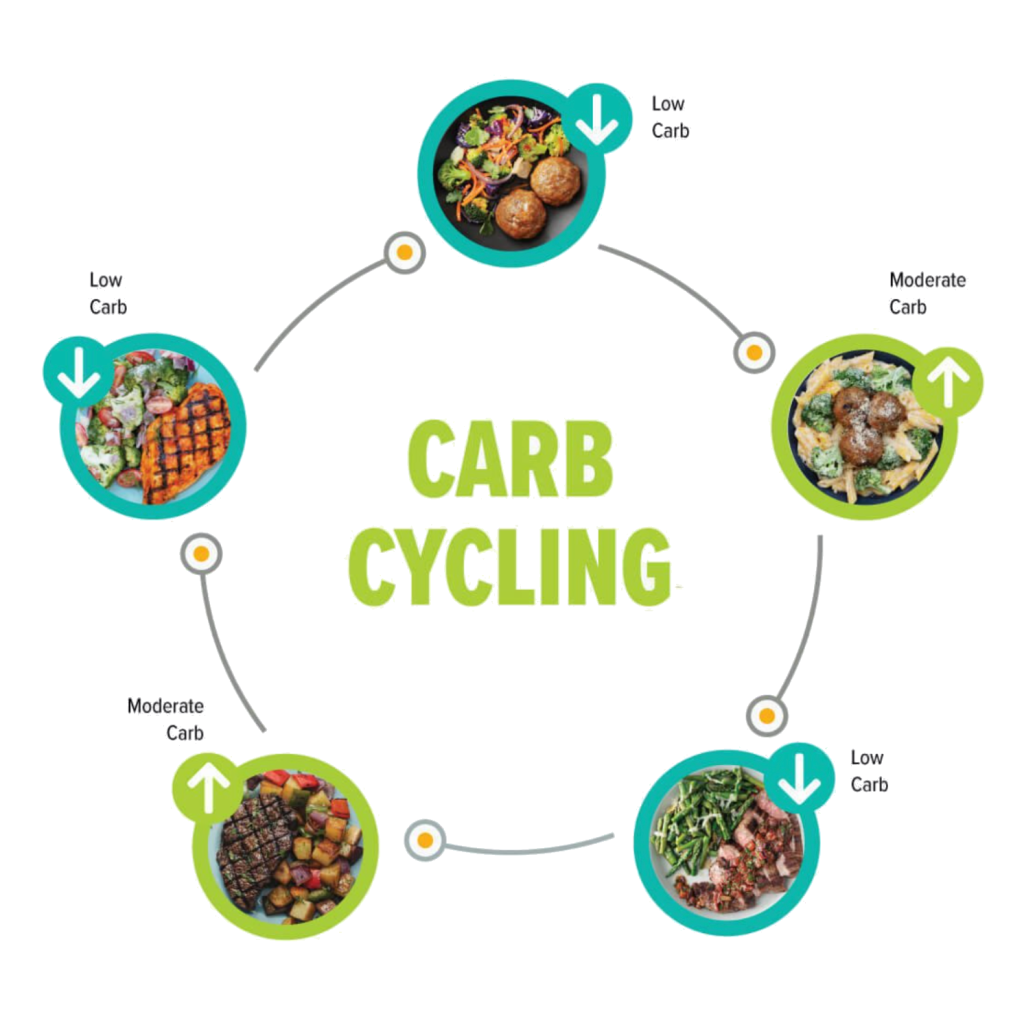
Carb cycling focuses on switching between low and moderate carbohydrate intake to meet daily energy demands. Carb cycling is a sustainable approach to eating and can have a positive impact on metabolic health and flexibility.
Ketogenic
The ketogenic approach involves drastically reducing daily net carbohydrates to 25g or less. It can also be described as a high-fat, low-carb nutrition protocol. Utilizing this protocol a few weeks a year can lead to improved fat metabolism, reduced inflammation, improved insulin sensitivity and weight loss. The ketogenic diet is a very powerful tool for type 2 diabetics as it will have a positive influence on blood sugar regulation.

Low Protein

Lowering protein intake can ease the workload of the liver and kidneys and slow down the human body’s growth pathways. Amino acids are the building blocks of protein and lowering intake leads to reduced mTORC1 activity, which can promote life extension. The low protein protocol promotes healthy aging and we recommend incorporating at least 14 days a year.
Fasting-Mimicking
Similar to doing a prolonged fast, this protocol can have major effects on lifespan, lower rates of cancer and help prevent many other diseases. This fasting protocol was created by Dr. Valter Longo who is the director at the USC Longevity Institute. This low calorie, vegan diet works to trick the body into thinking it is fasting while allowing some food intake. This alternative approach to fasting can provide a change of pace from the normal routine and is recommended at least one time a year.

Bone Broth

The bone broth protocol combines aspects of paleo, low-carb and intermittent fasting to help improve gut health, reduce inflammation, and commonly leads to aggressive weight loss results. This 21 day plan that was created by Dr. Kellyann Petrucci who is a naturopathic doctor in Pennsylvania. Five days a week, you consume low-carb, paleo-style meals. Two days a week, you do a modified bone-broth fast, in which you are still able to drink bone broth. Dairy, grains, legumes, added sugars, and alcohol should be avoided.
 fxcfitness.com