


Low Protein
Reducing protein intake to 15-25g per day can play a critical role in increasing longevity and metabolic health. Creating a low-protein environment a for 5-15 days a year is a nice way to give the growth pathways a rest as they are stimulated by the consumption of animal products that are complete proteins.
While adequate protein intake is critical for growth, reproduction and maintaining lean mass, the best formula for healthy aging could be a diet low in protein and high in healthy carbohydrates. This combination switches off the underlying biological machinery known to promote accelerated aging.
The low protein diet was developed by dietitians and nutritionists in response to adverse effects that protein can have on persons with kidney or liver disease. Proteins are required for growth, upkeep, and repair of body tissues. They also help the body fight infections and heal wounds. Protein contains 16% nitrogen, which the body eliminates in the urine as urea. In cases where liver or kidney function is impaired, urea, ammonia or other toxic nitrogen metabolites may build up in the blood. The low protein diet is designed to reduce these nitrogen metabolites and ammonia in individuals with liver disease or kidney failure and to reduce the workload on the kidney or liver. If the kidneys, which are responsible for excretion of urea, are not functioning properly (renal failure), or if high levels of protein are continually present in the diet, urea and other toxic nitrogen compounds build up in the bloodstream, causing loss of appetite, nausea, headaches, bad taste in the mouth, and fatigue as well as possibly further adversely affecting the kidney or liver.
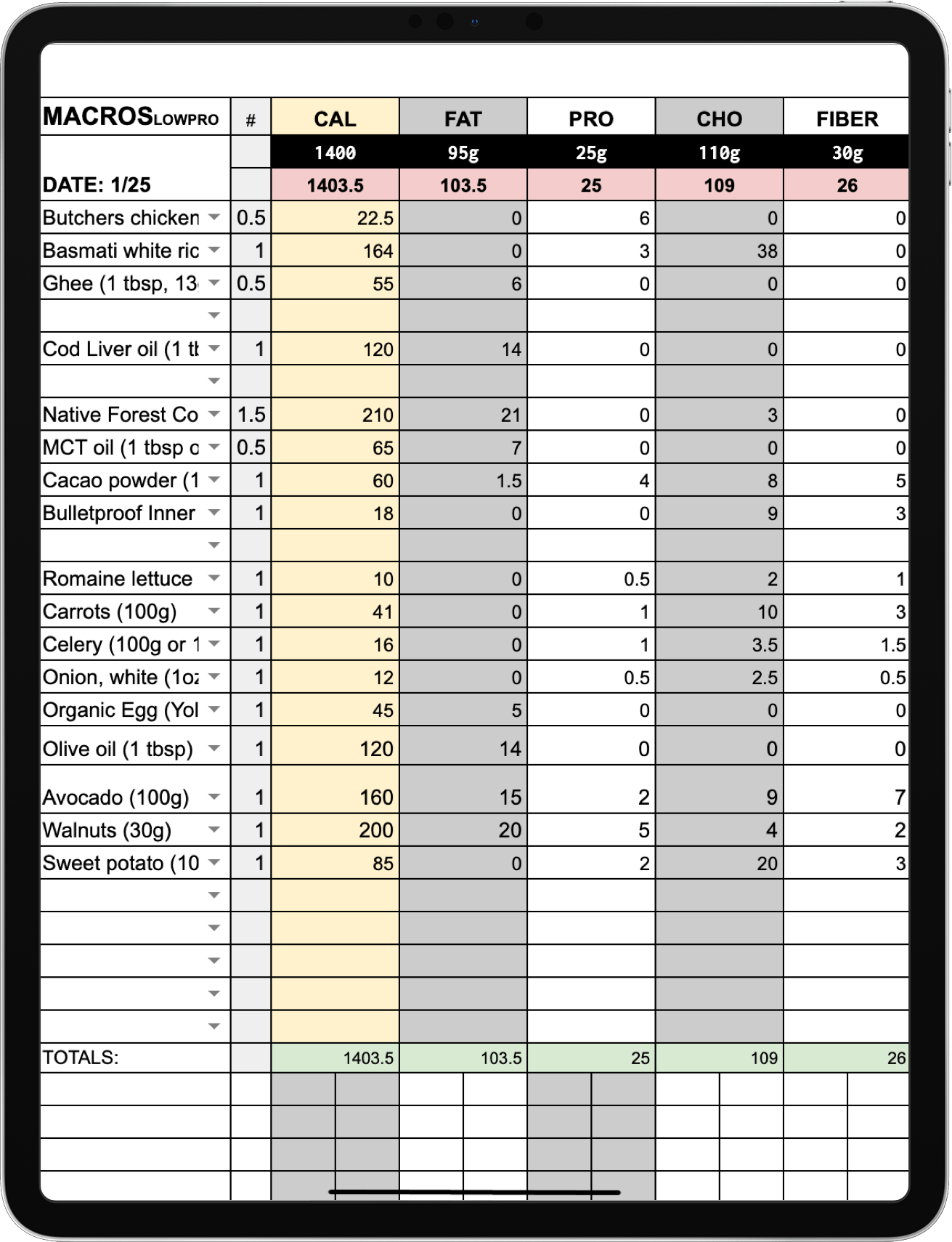
 fxcfitness.com